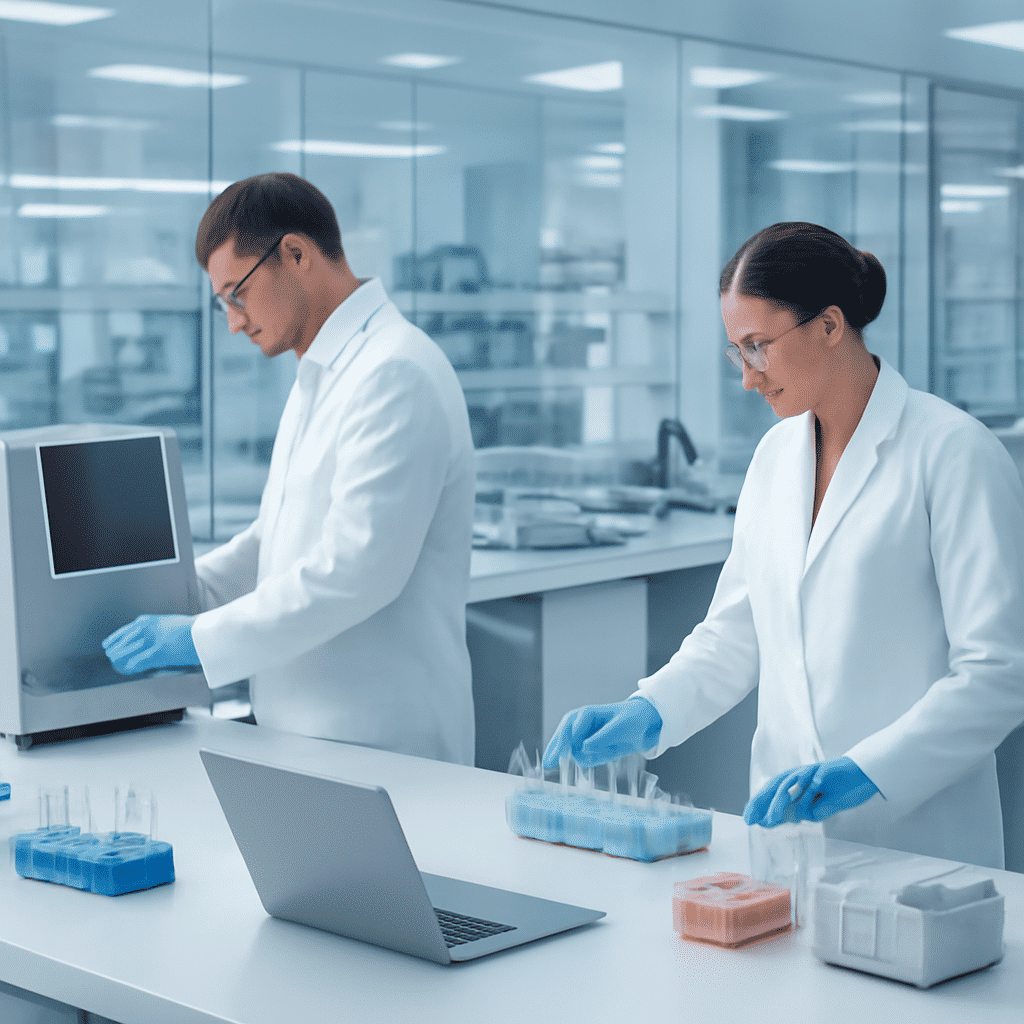
In recent years, biotechnology has emerged as a transformative force, driving innovations that are reshaping the fields of genetics and biology. The integration of advanced technologies has opened new avenues for research, diagnostics, and therapies, leading to significant breakthroughs that hold the potential to improve lives and ecosystems around the globe. Below, we explore some of the most groundbreaking advancements that are currently at the forefront of this rapidly evolving field.
CRISPR and Gene Editing Revolution
CRISPR-Cas9 technology has revolutionized genetic engineering with its precision and efficiency, allowing scientists to edit genes with unparalleled accuracy. This innovation has paved the way for targeted treatments of genetic disorders such as cystic fibrosis and sickle cell anemia. By enabling the correction of specific mutations within the genome, CRISPR holds the potential to address myriad diseases at their source, fundamentally altering the approach to healthcare and treatment.
Synthetic Biology and Cellular Engineering
The field of synthetic biology has expanded rapidly, focusing on designing and constructing new biological parts and systems. Researchers are using these techniques to engineer microorganisms that can produce biofuels, biodegradable plastics, and valuable chemicals sustainably. Moreover, synthetic biology has enabled the development of cellular-based therapies, like CAR-T cell therapy, which modifies a patient’s own immune cells to target and attack cancer cells more effectively.
Advancements in Personalized Medicine
Biotechnology has played a crucial role in ushering in the era of personalized medicine, where treatments are tailored to the genetic makeup of individual patients. Advances in genomic sequencing technology have made it feasible and affordable to analyze a person's genome in detail. This information is used to predict disease risks, guide precise drug prescriptions, and develop narrowly-targeted therapies that improve efficacy and reduce adverse effects.
Bioprinting and Tissue Engineering
The convergence of bioprinting technology and tissue engineering has led to remarkable progress in regenerative medicine. Bioprinters use living cells and biomaterials to create constructs that can mimic the structure and function of natural tissues. These technologies have advanced quickly enough that they are now being used to fabricate skin grafts, blood vessels, and even organ tissues. This progress brings the promise of reducing the need for organ transplants and providing quicker, more personalized treatment options for individuals with damaged tissues.
Biotechnology in Agriculture
In agriculture, biotechnology has enabled the development of genetically modified crops that are resistant to pests, diseases, and extreme environmental conditions. This innovation not only boosts crop yields but also promotes environmental sustainability by reducing the need for chemical pesticides and herbicides. Additionally, biofortification of crops to improve nutritional content is addressing vitamin and mineral deficiencies in some of the most vulnerable populations worldwide.
Microbiome Research and Applications
The human microbiome—comprising trillions of microorganisms living in and on our bodies—plays a crucial role in health and disease. Advances in biotechnology have enhanced our understanding of the microbiome's impact on immune system function, mental health, and digestive health. Therapeutic strategies that modify the microbiome are gaining traction, with applications ranging from probiotics designed to treat inflammatory bowel disease to microbial therapies for depression.
Conclusion
Biotechnology is advancing at a breakneck pace, with each new development offering the potential to address some of the most pressing challenges of our time. From groundbreaking therapies for previously untreatable diseases to sustainable agricultural practices, biotech innovations are not only transforming our understanding of biology but also expanding the horizons of what is possible in medicine, agriculture, and environmental conservation. As these technologies continue to evolve, they hold the promise of a healthier, more sustainable future.